
What Is a Spill Kit? Why Should Every Workplace Have One?
Learn about the Spill Kit — essential equipment for handling chemical, oil, and liquid spills.

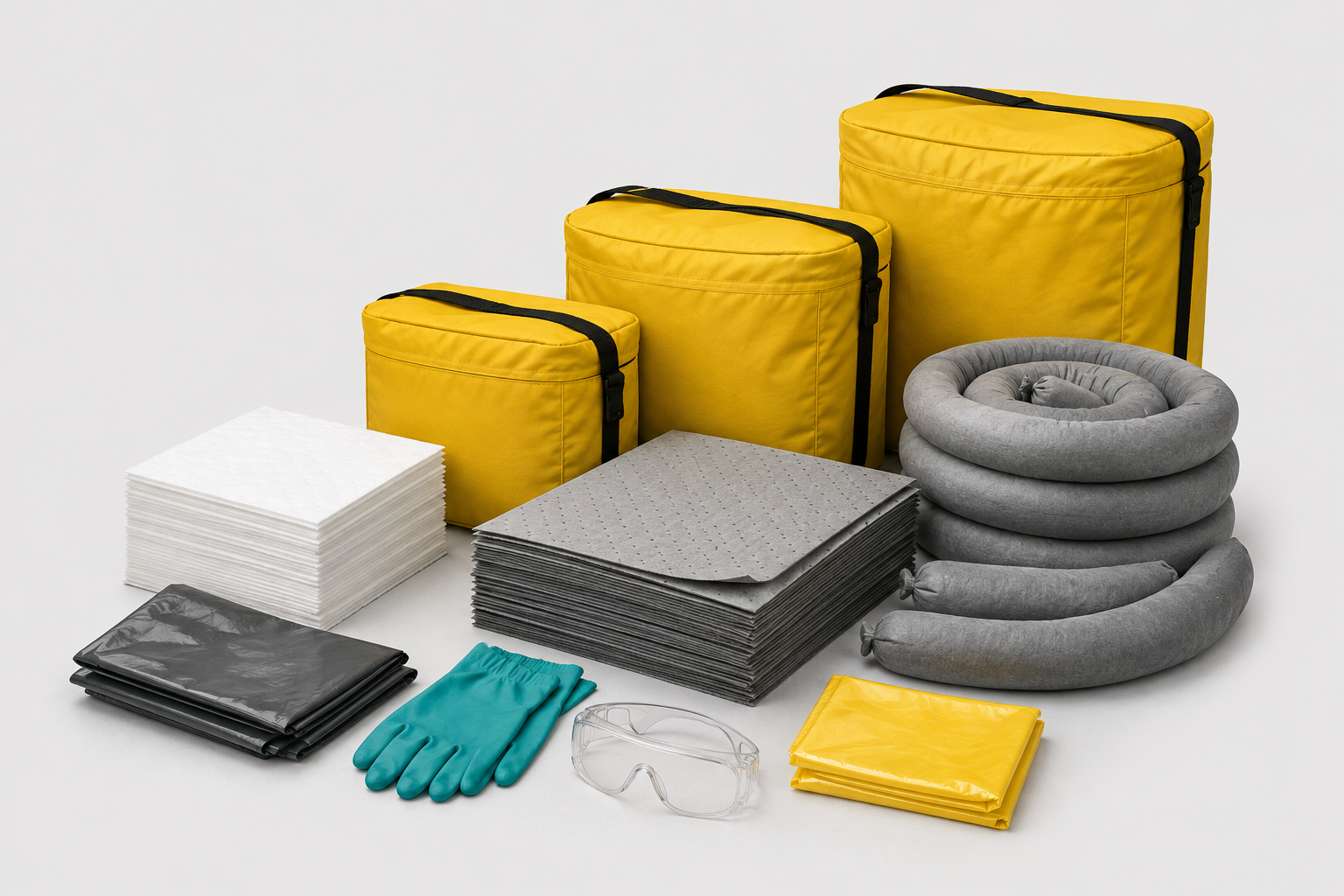
Choosing an effective Spill Kit isn’t just about matching the type of substance — sizing the Absorbency Capacity correctly to the potential spill volume is the most important factor under safety standards (HSE).
5 Key Factors Before Choosing the Right Spill Kit Size
💡 Assessment Tip:
Assess the realistic worst-case scenario for your area. For example, if the area uses 200-litre drums, look for a Spill Kit with a capacity of at least 25–50% of the drum volume, combined with containment measures, so you can respond to emergencies quickly and safely.
Choose the right Spill Kit size for your risk level to manage chemical spills effectively and in compliance with environmental regulations.
#SpillKit #SpillResponseKit #HowToChooseASpillKit #SpillKitSize #Spill #ChemicalSafety #WorkplaceSafety #SafetyFirst

Learn about the Spill Kit — essential equipment for handling chemical, oil, and liquid spills.

Get to know Oil & Fuel, Chemical, and Universal Spill Kits so you can choose the right one for the job.

Learn the basic steps — from assessing the situation to safely collecting and disposing of the spill.